Choosing the Right Fishing Gear: Essential Equipment for Novices and Experts


Choosing the right fishing gear shapes your entire angling experience. When beginners start with equipment that fits their needs, they enjoy each trip and build new skills faster. Experts also trust quality gear because it supports advanced techniques and creates consistent results on the water. The proper setup offers control, comfort, and confidence.
Many new anglers get overwhelmed by endless choices, but the process becomes simple when you know what matters. Experts often test new equipment, yet they still return to dependable gear that handles a range of conditions. By learning the strengths of each item, you make smart decisions and enjoy fishing with less stress.
Selecting the Best Rods for Skill Level and Style
A rod acts as an extension of your arm, so the right choice helps you cast smoothly and manage fish with ease. Beginners benefit from rods with medium power and moderate action because these rods forgive small mistakes. Advanced anglers often pick rods that match their target species or technique, such as fast-action rods for powerful hooksets or light rods for finesse work.
Fishing style also guides your rod choice. If you enjoy freshwater lakes, you want gear that stays flexible and durable. Saltwater anglers prefer rods that resist corrosion. When you understand your surroundings and targets, you match your fishing gear to the specific task and enjoy more success during long outings.
Understanding Reels and Their Role in Performance
A reel controls line movement, and choosing the right one improves balance and accuracy. New anglers enjoy spinning reels because they load line smoothly and prevent frustration. Skilled anglers often use baitcasting reels because they offer control and speed once you master them. Both types play a key role in how you present your lure and fight fish.
The pairing of a rod and reel must feel natural. When a reel feels too heavy or too light, it affects control. Anglers who spend time testing different combinations find the gear that feels right. A perfect match keeps your casts steady and helps you guide the fish with constant pressure.
Fishing Lines That Match Conditions and Targets
A fishing line connects you to the fish, so the right type makes every action clear. Monofilament remains the top choice for beginners because it stretches and helps new anglers avoid breaking off. Experts prefer braided line for strength and sensitivity, which lets them feel every small bite. Fluorocarbon also works well because it becomes nearly invisible underwater.
Water clarity and structure also matter. Clear lakes often call for lighter lines, while rough areas call for tougher lines. When your line matches both your target and location, you increase your chance of landing fish. Good fishing gear always includes a reliable line that performs without surprises.
Hooks and Tackle That Improve Catch Rates
Hooks come in many shapes, and each style works best for a different purpose. Beginners enjoy wide-gap hooks because they stay secure and increase hook-up rates. Experts often use specialized hooks that match the species they target. A strong and sharp hook constantly improves your success, no matter your skill level.
Tackle choices, such as sinkers and swivels, also affect your presentation. These small items adjust depth, reduce line twists, and improve lure action. When both beginners and experts focus on quality tackle, they notice smoother casts and more bites during the day.
Lures That Respond to Water, Weather, and Fish Behavior
Lures attract fish through color, shape, and movement. New anglers often choose simple soft plastics or spinners because they work in many places. Experts enjoy experimenting with more advanced lures such as crankbaits, jerkbaits, or topwater plugs. Each lure reacts differently, so anglers study how fish behave before picking the right option.
Weather and water conditions also guide your choice. Bright days often require natural colors, while cloudy days help bold colors stand out. When you adjust your lures to match the environment, your gear works with the water rather than against it. This simple shift creates better results for every angler.
Tackle Boxes That Keep Gear Organized and Protected
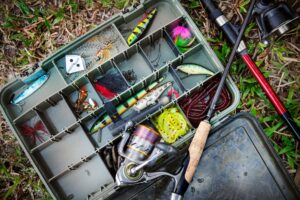
A well-organized tackle box saves time and reduces stress on any trip. Beginners enjoy simple boxes with roomy compartments because they pack and unpack gear with ease. Experts rely on advanced storage systems that protect delicate items and keep everything within reach. A good organization keeps your attention on the water rather than on searching for tools.
Tackle boxes also protect your gear from damage. Moisture, sun, and rough travel can wear down your equipment, but a sturdy box prevents those issues. When you protect your fishing gear, you extend its life and save money over time.
Clothing and Accessories Built for Comfort and Safety
Fishing clothing shields you from the sun, wind, and rain. Beginners often overlook these items, yet they make every trip more enjoyable. Lightweight shirts, hats, and polarized sunglasses help you see the water clearly and stay safe. Experts rely on performance fabrics that keep them dry and allow them to move during long days.
Accessories such as gloves, pliers, and nets also support your fishing routine. A sturdy net helps you land fish without stress, and pliers help you remove hooks safely. When your accessories match your needs, your fishing gear set becomes complete and dependable.
Upgrading Gear as Skills Grow Over Time
Every angler grows with practice, and your gear changes as your technique improves. Beginners usually start with dependable and affordable equipment. As time goes on, they shift to advanced rods, reels, and lines to match new goals. This natural progression feels rewarding and makes each trip more exciting.
Experts continue to upgrade because innovations appear every season. Lighter materials, stronger lines, and improved lures create fresh possibilities. When you update your fishing gear based on experience, you stay prepared for any challenge on the water.
Choosing Gear Based on Location and Target Species
Location shapes every decision you make. Lakes, rivers, and oceans each demand different equipment. Beginners often try multiple spots to learn what works best. Experts study the depth, clarity, and structure of each area to match their method to the environment. This attention to detail improves performance.
Target species also guide your gear choices. A small fish needs lighter gear, while larger fish demand stronger rods and lines. When you match your fishing gear to the fish you’re targeting, you gain better control and reduce mistakes. This simple approach leads to steady success.