Hiking Photography Adventures, How to Capture the Beauty of the Outdoors Step by Step


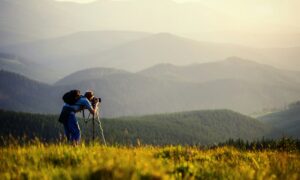
Hiking photography is a rewarding way to capture nature while exploring trails, forests, mountains, and open landscapes. It allows you to tell a story through images while enjoying fresh air and movement. With the right mindset and simple skills, anyone can take strong photos on a hike. You do not need expensive gear or expert training to begin. This guide explains hiking photography in a clear and simple way, so you can enjoy both the journey and the final images.
What Makes Hiking Photography Special
Hiking photography combines two experiences, outdoor adventure and creative expression. Unlike studio or city photography, nature does not wait or pose. Light changes fast, weather shifts, and wildlife moves without warning. This makes each photo feel earned.
Hiking photography also helps you slow down. When you look for good shots, you notice small details like leaves, shadows, rocks, and clouds. Over time, this builds a stronger connection to the outdoors and the trail itself.
Choosing the Right Gear for the Trail
You do not need heavy equipment for hiking photography. Simple and lightweight gear works best. A basic camera or even a modern smartphone can produce great results. The key is comfort and safety while hiking.
If you use a camera, choose one that is easy to carry. A small mirrorless camera or compact DSLR works well. A single zoom lens is often enough. It saves space and reduces weight.
Bring a comfortable strap or small backpack. This keeps your hands free while walking. Extra batteries, a memory card, and a lens cloth are useful items. Avoid overpacking since long hikes can become tiring with heavy gear.
Planning Your Hike With Photography in Mind
Good hiking photography starts before you reach the trail. Look up the area and learn what views or features it offers. Some trails are known for waterfalls, ridges, lakes, or wildflowers.
Check the weather and sunrise or sunset times. Early morning and late afternoon often provide softer light. This light adds warmth and depth to photos.
Planning also helps you stay safe. When you know the trail length and difficulty, you can pace yourself and still have time to take photos without rushing.
Using Natural Light on the Trail
Light is one of the most important parts of hiking photography. Natural light changes often, especially in open areas or mountains.
Morning light is usually soft and cool. It works well for landscapes and wide shots. Afternoon light can be bright and harsh, but shaded forests can balance it out. Evening light brings warm tones and long shadows, which add mood to photos.
Pay attention to where the sun is. Side light creates texture on rocks and trees. Backlight can highlight leaves or mist. Move around and test angles instead of standing in one place.
Composing Strong Outdoor Photos
Composition helps guide the viewer’s eye. In hiking photography, nature gives you many tools to work with.
Use trails, rivers, or fallen logs as leading lines. These guide attention through the image. Place the main subject slightly off center to create balance.
Include foreground elements like rocks or plants. This adds depth and makes the viewer feel part of the scene. Look for patterns in trees, hills, or clouds. Simple scenes often make the strongest photos.
Capturing Movement and Wildlife
Nature is full of motion. Water flows, trees sway, and animals move fast. Hiking photography often includes these moments.
For moving water, use a steady stance and take several shots. Even without special settings, timing can capture a smooth or energetic look. For wildlife, stay quiet and patient. Sudden movement scares animals away.
Never chase wildlife for a photo. Respect distance and safety. A good hiking photography moment feels calm and natural, not rushed or forced.
Staying Safe While Taking Photos
Safety should always come first on the trail. Hiking photography can distract you, so stay aware of your surroundings.
Watch your footing before stepping back for a shot. Do not stand near cliffs or unstable ground. If the weather changes, protect your gear and yourself.
Tell someone your hiking plan before leaving. Carry water, snacks, and basic first aid. When you feel tired, rest before continuing to shoot. Clear thinking helps both safety and creativity.
Editing Photos After the Hike
Editing is part of modern hiking photography. Keep it simple. The goal is to enhance, not change reality.
Adjust brightness, contrast, and color gently. Avoid heavy filters that remove natural detail. Crop only when needed to improve composition.
Editing should reflect how the place felt in real life. When viewers see your photo, they should feel like they are standing there with you.
Building a Personal Style Over Time
Hiking photography improves with practice. Each hike teaches you something new. Over time, you may notice themes in your work, such as wide landscapes, small details, or dramatic skies.
Do not compare your photos to others too much. Focus on learning and enjoying the process. Your style will grow naturally as you explore different trails and conditions.
Why Hiking Photography Is Worth the Effort
Hiking photography offers more than photos. It builds patience, awareness, and appreciation for nature. It turns a simple walk into a creative journey.
Each image becomes a memory of effort, movement, and discovery. With simple tools and clear focus, hiking photography helps you capture the beauty of the outdoors while enjoying every step along the way.